

Choosing GiGwi can feel like paying a little extra up front—so the real question is whether you save money (and stress) over time. This value-focused review compares what you’re paying for, how long a toy tends to stay usable, and when a simpler option makes more sense. If you’re weighing up durable dog toys in Australia or looking for interactive cat toys that actually keep interest, this guide is designed to help you buy once, not twice.
If you’re shopping for GiGwi products in Australia, use this as a quick checklist before you add to cart.
What “better value” really means for pet toys
“Value” isn’t just the ticket price—it’s cost per week of use, how often you replace it, and whether it actually keeps your pet engaged. A toy that survives rough play and holds attention can work out cheaper than multiple budget replacements.
For many Aussie homes, climate matters too. Hot summer days can mean more indoor boredom, while wet winter weeks can reduce outdoor exercise. Both can push toys harder, faster—especially for dogs that self-soothe by chewing or cats that need extra stimulation to avoid night-time zoomies.
- Durability: seams, stitching, and materials that cope with regular chewing or tugging
- Engagement: sound, texture, bounce, or movement that keeps your pet coming back
- Safety: sensible construction and easy-to-check wear points
- Fit for your pet: the right size and play style so it’s used, not ignored
Where GiGwi tends to outperform alternatives
Many GiGwi toys are built around specific play patterns—chase, chew, tug, or comfort—rather than being “one toy fits all”. That often translates to better engagement, particularly for pets that get bored quickly and rotate through toys.
Construction details are where value can show up: reinforced fabric panels, considered stitching, and textures that hold up to everyday use. Based on customer questions, repeat purchases, and the reasons we commonly see for toy returns across plush-style products, the biggest “value killers” are split seams and pets losing interest quickly. A more thoughtfully designed toy can help reduce both problems.
Safety note: No toy is indestructible. Always check the product label for intended use, supervise play (especially for determined chewers), and replace toys that show loose seams, exposed stuffing, cracked rubber, or small parts that could be swallowed.
If you want to browse the full range before deciding, see our GiGwi collection for current options and sizes.
Quick tip: Extend toy life by rotating 3–5 toys weekly. Fewer toys out at once keeps novelty high and reduces constant chewing on a single favourite.
A practical “value” sign is whether a toy remains interesting after the first week. Many pet parents find that a well-placed squeaker, crinkle, or mixed texture keeps a dog engaged longer, which can help redirect boredom chewing away from shoes and furniture.
When comparing like-for-like, check whether the toy’s design can still function if one element fades (for example, it’s still fun to carry or tug even if the squeak eventually goes quiet). That “still usable” factor is often what separates a toy that lasts a month from one that lasts a weekend.
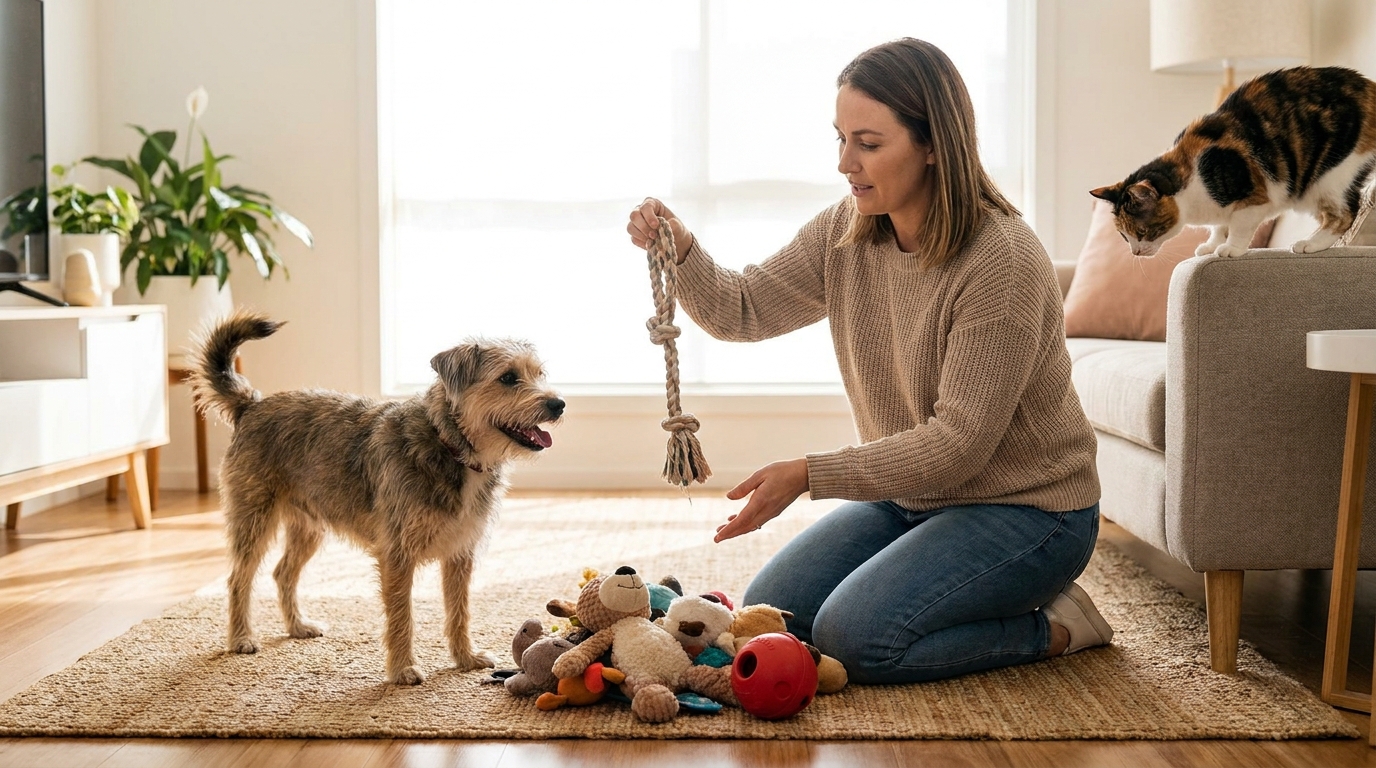
Common toy alternatives (and when they make sense)
Not every household needs premium features. When you’re comparing GiGwi to other toy styles, it helps to think in categories—because each category suits different play habits and budgets.
- Rubber treat-dispensing toys: Great for food-motivated dogs and independent play. They can be strong value if you want longer sessions and mental enrichment, but they’re not always the best choice for dogs that mainly want tug or “kill/shake” play.
- Rope tug toys: Often cost-effective for interactive games and can suit dogs that love to pull. They can wear faster if left for solo chewing (strings may fray), so they’re typically best as a supervised, you-and-dog activity.
- Budget plush toys: Good for gentle dogs, puppies learning appropriate play, or as comfort/cuddle items. They can be excellent value for light chewers, but for dogs that dissect seams, frequent replacement can quietly become the most expensive option.
For cats, “alternative” often means wands, balls, and small kickers. If you’re shopping for interactive cat toys, prioritise safe materials, realistic movement (cats love unpredictable motion), and a size that encourages chasing rather than chewing pieces off.
When a cheaper alternative can be better value
Not every pet needs a premium toy. If your dog is gentle, plays in short bursts, or tends to lose toys under the couch within days, an affordable option can be the smarter buy.
Alternatives can also win for very specific use cases: a temporary distraction when visitors are over, a “car only” toy, or a backup for the daycare bag. In those situations, you’re paying for convenience, not maximum lifespan.
- Light chewers: may not need reinforced fabrics or tougher materials
- Fast changers: pets who get bored quickly might benefit from a larger variety of simpler toys
- Multi-pet homes: higher toy turnover can make mid-priced choices more practical
The key is to match the toy to the behaviour. If your dog routinely dismantles plush within minutes, “cheaper” can become the most expensive option over a month—especially if you’re replacing weekly.
A quick checklist to choose the best option
Use this quick filter to decide if GiGwi is likely to be better value for your pet—or if an alternative makes more sense.
- Your pet’s play style: chewer, tugger, chaser, comfort-cuddler, or a mix?
- Time to destruction: how long does the average toy last in your home?
- Safety and supervision: do you need something for supervised play only, or short solo sessions?
- Indoor vs outdoor use: wet grass, sand, and rough surfaces can wear toys faster
- Engagement needs: does your pet need extra stimulation during hot afternoons or rainy weeks?
If you’re replacing toys frequently, stepping up to a more robust build can reduce ongoing spend. If your pet is gentle and enjoys variety, a broader rotation of simpler toys can be the better-value strategy.
For a closer look at what’s available right now, revisit our GiGwi range and compare sizes, materials, and play features to your pet’s habits.
Frequently Asked Questions
Are GiGwi toys worth the money for heavy chewers?
They can be better value if your dog tends to destroy basic toys quickly, because a sturdier design may stay usable for longer. That said, no soft toy is indestructible—supervision, choosing the right toy type, and replacing damaged toys matter most.
How do I make a toy last longer?
Rotate toys weekly, store them out of reach between sessions, and replace at the first sign of loose seams or exposed parts. Matching the toy type to your pet’s play style (tug vs chew vs fetch) also reduces wear.
What’s the best way to choose the right size?
Aim for a size your pet can carry comfortably but not swallow or wedge at the back of the mouth. If you’re unsure between two sizes, the larger option is often safer for dogs that love to chomp and tug.
Ready to compare value for yourself? Browse our GiGwi collection and pick a toy that matches your pet’s play style—if you have any concerns about safe play or chewing habits, chat to your vet.
